

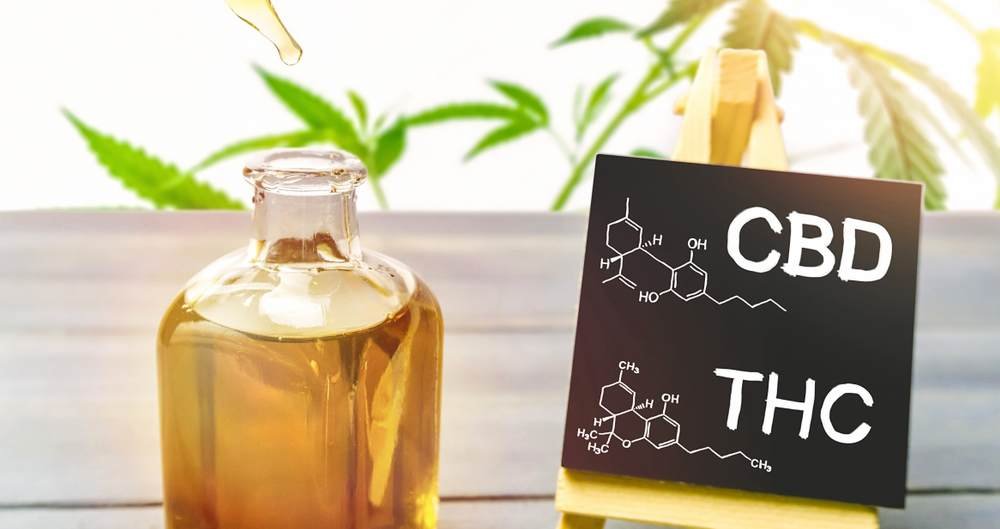
CBD and THC are the two most talked-about cannabinoids in the hemp world, yet they’re also the most misunderstood. They both come from the same plant, they both interact with your body’s endocannabinoid system, and they often appear in similar products — but their effects couldn’t be more different.
CBD is known for calmness and balance without intoxication, while THC is the compound responsible for the classic euphoric “high.”
Because the two cannabinoids are so closely linked, many beginners struggle to understand what separates them, how they work, and which one is right for their needs.
This guide breaks down CBD vs. THC clearly and simply, explaining their effects, benefits, safety, legality, and real-world uses — all based on legal hemp-derived forms.
What Is CBD?
CBD, or cannabidiol, is a non-intoxicating cannabinoid found in the hemp plant. It doesn’t make you feel high, and it doesn’t alter your perception or senses. Instead, CBD works by supporting your body’s endocannabinoid system (ECS) — the network that helps regulate mood, stress, sleep, and overall balance.
Most people use CBD to promote calmness, support everyday stress relief, improve sleep readiness, or maintain a general sense of balance throughout the day.
Because CBD doesn’t produce any intoxicating effects, it’s easy to fit into your daily routine. You can use it in the morning, afternoon, or night without worrying about feeling impaired.
What Is THC?
THC, or tetrahydrocannabinol, is the cannabinoid responsible for the mild psychoactive effects people often associate with hemp or cannabis.
Unlike CBD, THC binds directly to CB1 receptors in the brain. This direct interaction creates noticeable effects such as mild euphoria, relaxation, enhanced sensory perception, and a deeper physical calm.
Even though hemp-derived Delta-9 THC is much milder than marijuana-derived THC, users still feel clear, uplifting, and relaxing effects depending on the dose.
Many people use THC for relaxation, mood lift, unwinding after a long day, enjoying sensory experiences, or pairing it with CBD for a more balanced entourage effect.
CBD vs. THC: Key Differences
CBD and THC may come from the same hemp plant, but their effects, uses, and how they interact with your body are completely different.
Intoxication: The Most Important Difference
CBD doesn’t get you high. THC does.
CBD is non-intoxicating and won’t alter your perception, senses, or thinking. People use it during the day, before work, or right before bed because it keeps the mind clear.
THC, even when hemp-derived and legally compliant, binds to receptors in your brain that influence mood and perception. This is what creates mild euphoria, deeper relaxation, or that classic “high.”
This difference alone shapes how people use each cannabinoid, especially beginners.
How They Work in the Body
CBD interacts with the endocannabinoid system in a gentle, indirect way. It doesn’t bind strongly to CB1 receptors in the brain, which is why its effects feel subtle and balancing — not intense or mind-altering.
THC works very differently. It binds directly to CB1 receptors, which is why you feel its effects quickly and clearly. This direct interaction creates mental and sensory changes, deeper relaxation, and—depending on the dose—mild euphoria.
So while CBD supports your body’s natural balance, THC actively changes how you feel.
How Each One Feels in Real Life
CBD gives you a sense of calm, reduces everyday stress, and helps you settle into a more balanced state. People often describe it as “taking the edge off” without changing their awareness or slowing them down.
THC has a more noticeable effect. It can lift your mood, deepen relaxation, enhance sensory experiences, or help you unwind at the end of the day. The experience depends heavily on your dose and tolerance.
Here’s the difference in simple form:
CBD: Calm, steady, clear-headed
THC: Euphoric, relaxing, mildly intoxicating
Both can be pleasant — it just depends on what you want.
Best Use Cases for Each
CBD fits naturally into most people’s routines. It’s an everyday wellness supplement for people who want relaxation without impairment. Many take it for emotional balance, stress support, and smoother sleep preparation.
THC is more situational. People turn to it when they want something stronger — deeper relaxation, a mood lift, or help winding down at night. Some also use THC recreationally for its mild euphoric experience.
A lot of users also enjoy combining CBD and THC, because CBD can soften THC’s intensity and make the overall experience smoother. This is the entourage effect in action.
Tolerance Over Time
CBD rarely leads to tolerance. If 25 mg a day works for you today, there’s a good chance it will work months from now.
THC, however, can lead to tolerance with regular use. If you take THC often, you may need slightly higher doses over time to feel the same effects, and you may need to take a tolerance break.
This difference makes CBD a more stable option for daily use.
Legality and Availability
Both CBD and hemp-derived THC are federally legal under the Farm Bill, as long as THC stays under the 0.3% Delta-9 limit by dry weight.
CBD is legal almost everywhere and widely accepted.
THC is also legal when hemp-derived, but a few states have extra restrictions, meaning availability varies more depending on where you live.
Safety and Side Effects
CBD is generally well-tolerated with mild side effects like dry mouth or slight drowsiness (mostly at higher doses). Most people can take CBD every day with no issues.
THC comes with stronger, dose-dependent side effects, such as red eyes, increased appetite, temporary anxiety, or drowsiness — especially if you’re new to it or take too much.
Nothing here is dangerous, but it does mean THC requires more mindful dosing.
CBD vs. THC: Comparison Chart
Aspect | CBD | THC |
|---|---|---|
| Origin | Found in hemp; extracted from flowers, leaves & stems | Found in hemp; extracted from flowers, leaves & stems |
| Psychoactive Effects | Non-intoxicating; no “high” or altered perception | Psychoactive; creates mild euphoria, mood lift, sensory enhancement |
| How It Feels | Calmness, relaxation, emotional balance, steady focus | Relaxation, mood elevation, deeper wind-down, light to moderate “buzz” depending on dose |
| Legal Status (U.S.) | Federally legal when hemp-derived | Federally legal only when ≤0.3% Delta-9 THC by dry weight; some states restrict it |
| Best Use Cases | Daily stress support, sleep preparation, daytime calm, general wellness | Evening relaxation, mood lift, sensory enjoyment, deeper rest |
| Interaction With ECS | Indirectly influences CB1 & CB2 receptors; supports overall ECS balance | Binds directly to CB1 receptors; changes mood, perception, and sensory processing |
| Psychoactive Safety | No intoxication; safe for day use | Requires mindful dosing; stronger effects at higher doses |
| Common Products | Oils, gummies, capsules, drinks, topicals, vapes, flowers | Gummies, drinks, vapes, oils, edibles |
| Side Effects | Mild and rare (dry mouth, light drowsiness, appetite changes) | Red eyes, increased appetite, temporary anxiety (high doses), drowsiness |
| Tolerance | Builds slowly or not at all for most people | Builds faster; frequent users may require higher doses over time |
| Drug Test Detection | CBD itself is not screened for, but full-spectrum CBD may trigger THC positivity | THC is detected on standard drug tests |
| Intoxication Risk | None | Present — varies by dose, body chemistry, and experience level |
Which One Should You Choose?
CBD and THC both come from the hemp plant, but they serve very different purposes. CBD fits naturally into daily wellness, while THC offers more noticeable effects for deeper relaxation.
When CBD Is the Better Choice
CBD is ideal for people who want balance without intoxication. It’s gentle, steady, and easy to use at any time of day. Because CBD doesn’t bind strongly to CB1 receptors, it supports your body rather than shifting your perception.
Most users choose CBD for:
Everyday stress relief—it smooths the edges without slowing you down.
Calm focus — Good for working, studying, or staying level-headed.
Sleep preparation — Helps relax the mind before bedtime.
Emotional balance — Supports a more even, steady mood.
Daily wellness routines — Great for people who want something consistent and clear-headed.
CBD is the cannabinoid you can take in the morning without worrying about feeling “off.” It’s the more flexible option for people who want gentle support throughout the day.
When THC Is the Better Choice
THC is the option people choose when they want a more noticeable shift in how they feel. It’s not overwhelming when dosed correctly, especially in hemp-derived form, but it does create a clear difference in mood, perception, or physical relaxation.
THC is beneficial for:
Evening relaxation — Great for unwinding after a long or stressful day.
Mood elevation — A light uplift or mild euphoria, depending on the dose.
Sleep enhancement — Helps people who want stronger wind-down effects.
Sensory enjoyment — Food tastes richer, music feels fuller, and experiences feel more immersive.
Recreation or creative inspiration — THC can shift how you think and feel in ways CBD doesn’t.
THC isn’t for every moment — especially during work or busy daytime routines — but when used intentionally, it offers a calming, enjoyable, and often uplifting experience.
When Using Both Works Best
A growing number of people prefer using a combination of CBD and THC because CBD naturally smooths THC’s sharper edges.
This creates a more balanced effect where THC feels pleasant, steady, and less likely to feel overwhelming. This synergy is a real-world example of the entourage effect.
Using both can help with:
Deep relaxation without anxiety.
A balanced mood lift.
A smoother high.
More complete evening wind-down.
Better sleep support.
It’s not about choosing one or the other — many users simply choose the right cannabinoid for the right moment.
Final Thoughts
CBD and THC may come from the same hemp plant, but they offer completely different experiences.
Some people prefer CBD for daytime balance and THC for nighttime unwinding, while others enjoy combining them for a smooth, balanced experience. There’s no single “better” option — just different tools for different needs.
What matters most is understanding how each one works and choosing the one that fits your goals, tolerance, and lifestyle.
With the basics now clear, you can explore CBD, THC, or both with confidence — and use each one in a way that feels right for your body and your routine.
Disclosure:
The information provided in this article is meant for general use only and may not always suit everyone’s individual needs. Your health and wellness are personal, so consult a medical professional for personalized advice before making decisions based on this content.
For more information, please read our Disclosure Policy.