

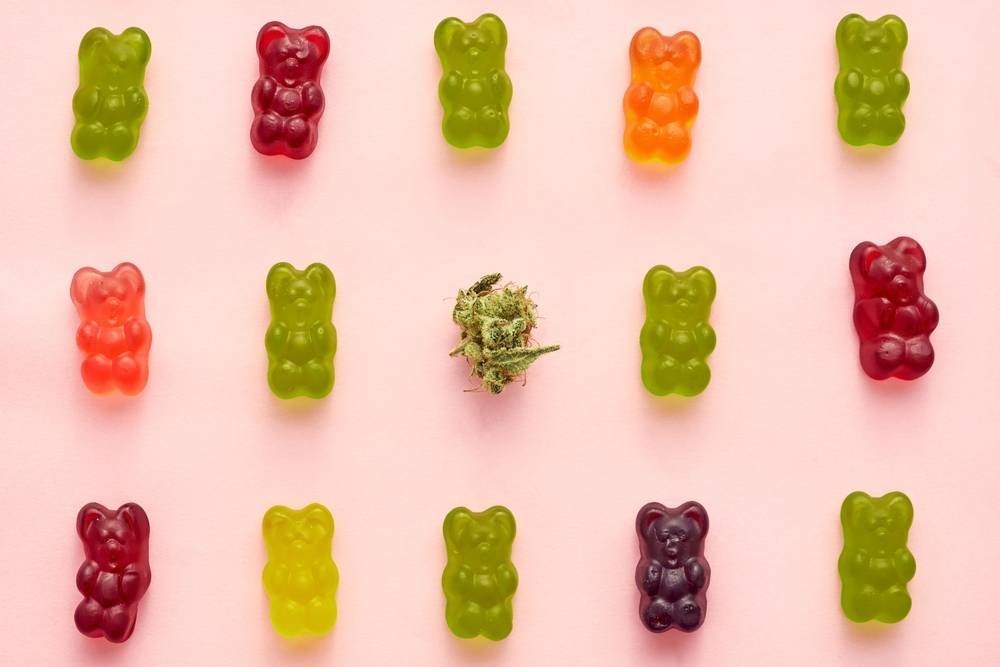
When dosed correctly, a hemp-derived Delta-9 gummy is a phenomenal, plant-based tool for melting away stress, easing physical tension, and helping you get a good night’s sleep.
But if you get the dose wrong, that relaxing evening can rapidly spiral into an overwhelming, uncomfortable experience. Racing thoughts, dry mouth, nausea, and the “spins” are common side effects of Delta-9 gummies.
The good news? These side effects are entirely preventable. Delta-9 THC is safe for most adults; the side effects are simply due to a poor product or user error.
Here is why side effects can happen with Delta-9 gummies, how to prevent them, and the ultimate rescue plan if you ever get “too high.”
The Common Side Effects of Delta-9 Gummies (And How to Fix Them)
1. Anxiety and Paranoia
This is the most infamous side effect of overconsumption. You may feel a little anxious or overwhelmed, your thoughts may race out of control, and you feel an overwhelming need to sleep.
The Cause:
High doses of THC.
How to Prevent It:
Always start with a microdose (2.5 mg). If you are naturally prone to anxiety, never buy a pure THC gummy. Always buy a gummy that features a 1:1 ratio of THC to CBD.
CBD actively manages the overwhelmingness of THC.
2. Nausea or “The Spins.”
You might feel dizzy, nauseous, or feel like the room is tilting (similar to drinking too much alcohol).
The Cause:
In gummies, nausea is rarely caused by the THC itself. It is usually caused by eating concentrated carrier oils or artificial sugar alcohols on an empty stomach.
How to Prevent It:
Never take a gummy while starving. Eat a light, solid snack (like toast or crackers) 30 minutes prior to eating a gummy.
3. Drowsiness (The “Weed Hangover”)
You take a gummy to relax, but you end up practically stuck on the couch. The next morning, you wake up feeling groggy and foggy-headed.
The Cause:
You took an Indica-heavy gummy (or simply a high dose) far too late in the evening, and the 8-hour metabolic cycle overlapped with your alarm clock.
How to Prevent It:
Time your dose. Edibles take up to 90 minutes to kick in and last up to 8 hours. Take your nighttime gummy at least an hour before you plan to go to sleep.
4. Cottonmouth and Dry Eyes
Your mouth feels like it is stuffed with sand, and your eyes look red and feel scratchy.
The Cause:
THC can sometimes binds to the glands in your mouth, temporarily pausing saliva production.
How to Prevent It:
Hydrate before taking the gummy. Once cottonmouth sets in, drinking water helps, but eating something sweet or sucking on a candy is the fastest way to force your salivary glands to kick back on.
5. The “Munchies” (Overeating)
You suddenly have a desire to eat every sugary and salty snack in your pantry, potentially ruining your diet and if you are not carefull and eat too much, it can cause stomach aches the next day.
The Cause:
THC stimulates your brain, making food smell and taste better.
How to Prevent It:
Pre-plan your snacks. Before the gummy kicks in, set out a bowl of grapes, nuts, or popcorn. Once you are high, you will eat whatever is immediately in front of you.
THC Gummies Trap: 3 Things That Guarantee a Bad Time
If you want to completely avoid a negative experience, you must never break these three rules:
1. The “Impatience” Double-Dose
You eat a gummy, wait 45 minutes, feel nothing, and assume it was weak. You eat a second one. Thirty minutes later, your digestion catches up, and both doses hit you simultaneously.
Rule: Always wait at least two hours before making a judgement.
2. Mixing with Alcohol
Taking a gummy and drinking a few beers is a recipe for disaster. Alcohol acts as a solvent in your stomach, drastically accelerating how fast the THC is absorbed into your blood.
This unpredictable spike almost guarantees you will experience “the spins” and severe nausea.
Rule: Pick one substance for the night.
3. Buying “Gas Station” Gummies
Unregulated, cheap gummies sold at convenience stores often completely lie on their packaging.
A gummy labeled “10 mg” might actually have 30 mg, or it might contain dangerous substances, or synthesized alt-cannabinoids (like THC-O) that may cause overwhelming highs.
Rule: Only buy from reputable brands that provide third-party Certificates of Analysis (COAs).
The Rescue Plan: What to Do if You Get "Too High"
If you accidentally took too much and are currently having a panic attack, read this carefully: You are safe. Nobody has ever fatally overdosed on THC. This feeling is temporary, and it will pass.
If you need to sober up, use these proven rescue tactics:
Chew Black Peppercorns: Go to your kitchen, grab 2 or 3 whole black peppercorns, and chew on them. Black pepper contains the terpene Caryophyllene, which interacts with the exact same brain receptors as THC and produces a calming effect.
Take Pure CBD: If you have a bottle of pure, THC-free CBD oil, place a small dose under your tongue. CBD acts as an antagonist to THC, helping to level out the buzz.
Change Your Environment: Turn off the TV, dim the lights, put on a familiar, comforting podcast or album, and lie down. Do not fight the effect; close your eyes and focus entirely on taking slow, deep breaths.
When to Seek Medical Attention
While the standard side effects of THC are mostly harmless and will pass with time, there are rare instances where you should consult a doctor:
Drug Interactions:
Delta-9 THC is processed by the exact same liver enzymes that process many prescription drugs.
THC can cause these drugs to build up or behave poorly in your system. If you take medication, consult your doctor before using THC products.
Allergic Reactions:
If you experience hives, swelling of the throat, or difficulty breathing after eating a gummy, you are likely allergic to the pectin, carrier oils, or artificial flavorings used in the candy. Seek immediate medical attention.
Final Thoughts: Respect the Dose
The vast majority of people who claim they “hate Delta-9 gummies” simply used a poor quality product or took a dose that was far too high for their body.
If you treat Delta-9 like a delicate supplement and take necessary precautions, you will bypass the risks and side effects.
Start with a low dose (2.5 mg to 5 mg). Wait a full two hours to see how your body reacts. Protect your stomach by eating a light snack beforehand, and never mix your gummies with alcohol.
If you follow these simple rules, you will experience the maximum benefits the hemp plant has to offer.
Disclosure:
The information provided in this article is meant for general educational and harm-reduction purposes only and does not constitute medical advice. Your health and wellness are personal; you should always consult a licensed medical professional before using psychoactive compounds, especially if you take prescription medications or have underlying health conditions.