

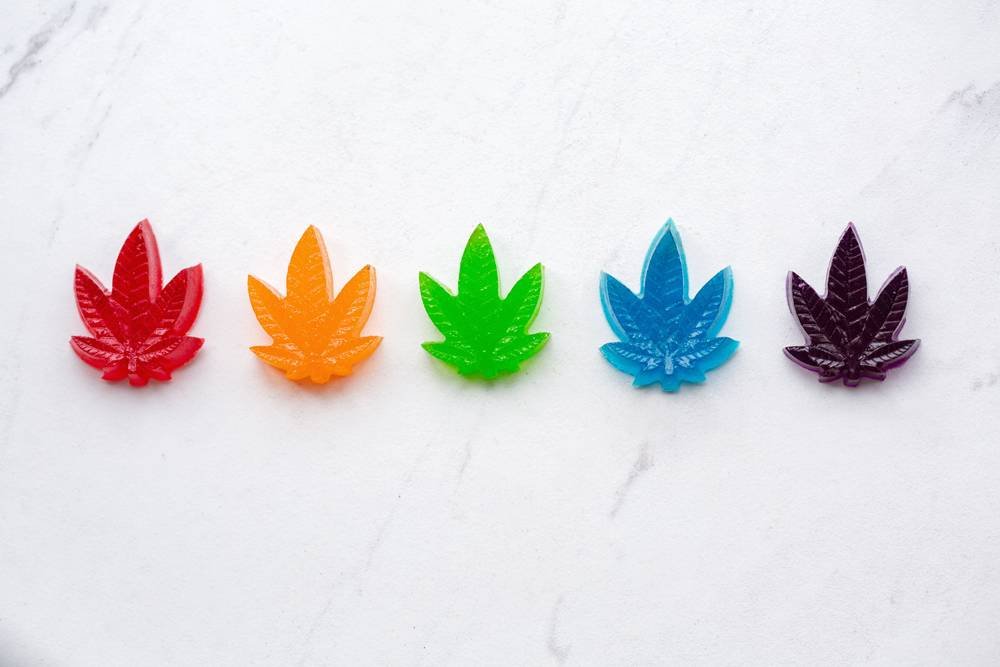
You just took a Delta-9 gummy. It is 9:00 PM, you are settling in for a movie, but you suddenly remember you have an important meeting at 8:00 AM tomorrow.
A wave of panic sets in: How long is this going to last? Will I wake up feeling groggy? Am I going to be high at work?
Unlike smoking or vaping—which hits you instantly and fades within an hour—edibles are a marathon, not a sprint. Because gummies are processed by your digestive system and liver, they produce a longer-lasting buzz.
If you need to plan your evening (and your morning after), here is the timeline of a Delta-9 gummy, what makes it last longer, and how to sober up if you are trapped in a buzz that won’t end.
Why Do Gummies Last So Long?
When you inhale THC, it enters your bloodstream through your lungs. When you eat a gummy, it takes a massive detour.
The gummy travels through your stomach and into your liver. Your liver then converts the standard Delta-9 THC into a potent metabolite called 11-hydroxy-THC.
11-hydroxy-THC is stronger and takes much longer for your body to break down and clear out. This is why a gummy feels heavier and lasts four times as long as a vape hit.
The Official Delta-9 Gummy Timeline
While everyone’s metabolism is different, a standard 10 mg Delta-9 gummy follows a predictable clock.
1. The Onset (30 to 90 Minutes)
This is the waiting period. Your stomach breaks down the Delta-9 gummy and sends it to your liver. You will not feel anything during this phase.
The Golden Rule: Do not take a second gummy during this window. Assuming the gummy “isn’t working” and taking a second dose is the number one cause of edible-induced panic attacks.
2. The Peak (2 to 4 Hours)
Once the liver converts Delta-9 THC into 11-hydroxy-THC, the buzz will reach its peak intensity. This is when you will experience the greatest physical relaxation, the strongest euphoria, and the most intense sensory enhancement.
3. The Tapering Phase (4 to 8 Hours)
After the peak, the psychoactive effects will begin to slowly dial back. You will transition from a heavy “couch-lock” into a lingering, warm, and relaxed state. For most users, the noticeable “high” fades around the 6- to 8-hour mark.
4. The Afterglow / “Weed Hangover” (8 to 12+ Hours)
If you took a heavy dose right before bed, you may wake up feeling sluggish, groggy, or slightly foggy-headed. This is just the residual THC clearing from your nervous system. A cup of coffee and a cold shower will usually clear this up.
The 4 Factors That Control Your Clock
Why does a gummy last 4 hours for one person, but 10 hours for someone else? It comes down to these four variables:
1. The Milligram Dose
This is the biggest factor. A 5 mg microdose will clear your system rapidly, usually within 4 to 6 hours.
A massive 25 mg dispensary-grade dose will overwhelm your liver’s processing speed, often extending the heavy effects well past the 8-hour mark.
2. Your Stomach Contents
Food acts as a digestive roadblock.
Empty Stomach: The gummy hits fast. The high peaks are intense but fade quickly (usually within 4 to 6 hours).
Full Stomach: A heavy meal slows down absorption. The THC trickles into your system, resulting in a gentle, prolonged high that can easily last 8 hours.
3. Your Tolerance
If you eat a gummy every single night, your liver becomes efficient at breaking down THC. Daily users will experience significantly shorter highs.
If it is your first time taking an edible, your unconditioned system will take much longer to process it.
4. Body Fat Percentage
THC is lipophilic (fat-soluble). It binds to the fat cells in your body. Individuals with higher body fat percentages may experience slightly prolonged effects, as the body holds onto the cannabinoids longer before flushing them out.
How to Control the Duration of Your Effects
You can somewhat manipulate how long your gummy lasts by changing how you take it.
If You Want Shorter Effects:
Microdose: Take 2.5-5 mg.
Empty Stomach: Take the gummy an hour before eating. It will process rapidly and burn out much faster.
Stay Active: Take it during the day while moving around. An active metabolism will help clear the THC faster.
If You Want Longer Effects:
Eat a Fatty Meal First: Take the gummy 30 minutes after a meal rich in healthy fats (like avocado, peanut butter, or salmon). The fat binds to the THC, slowing down the release and stretching the effects across the entire night.
Stay Sedentary: Lie down, watch a movie, and let your resting heart rate slow down the metabolic clearing process.
The Rescue Plan: How to Sober Up Faster
If you accidentally took too much and you are having a panic attack or feel uncomfortably high, you cannot magically flush the THC out of your body, but you can counteract the psychoactive effects:
Take Pure CBD:
CBD acts as an antagonist to THC. Placing a dose of pure, THC-free CBD oil under your tongue will actively block the Delta-9 from binding to your brain receptors, lowering your anxiety and sobering you up.
Chew Black Peppercorns:
Black pepper contains a terpene called Caryophyllene, which binds to the exact same receptors as THC and produces a calming, anti-anxiety effect.
Hydrate and Sleep:
Drink a large glass of water to help your kidneys flush metabolites, put on a comforting movie, and simply go to sleep. You will wake up sober.
Final Thoughts: Plan Your Flight
Delta-9 gummies are predictable once you respect the biological clock.
Because the entire experience takes roughly 6 to 8 hours from start to finish, the golden rule of edibles is simple: Plan your dose around your schedule.
If you need to be sharp and productive early the next morning, do not eat a 15-mg gummy at 10:00 PM. Take your dose in the early evening, let the peak wash over you, and ride the relaxing, tapering phase straight into a deep, restful sleep.
Check out our vetted guide to the Best Delta-9 Gummies.
Disclosure:
The information provided in this article is meant for general educational use only and does not constitute medical advice. Your health and wellness are personal; you should always consult a licensed medical professional before using psychoactive compounds, especially if you take prescription medications or have underlying health conditions.