

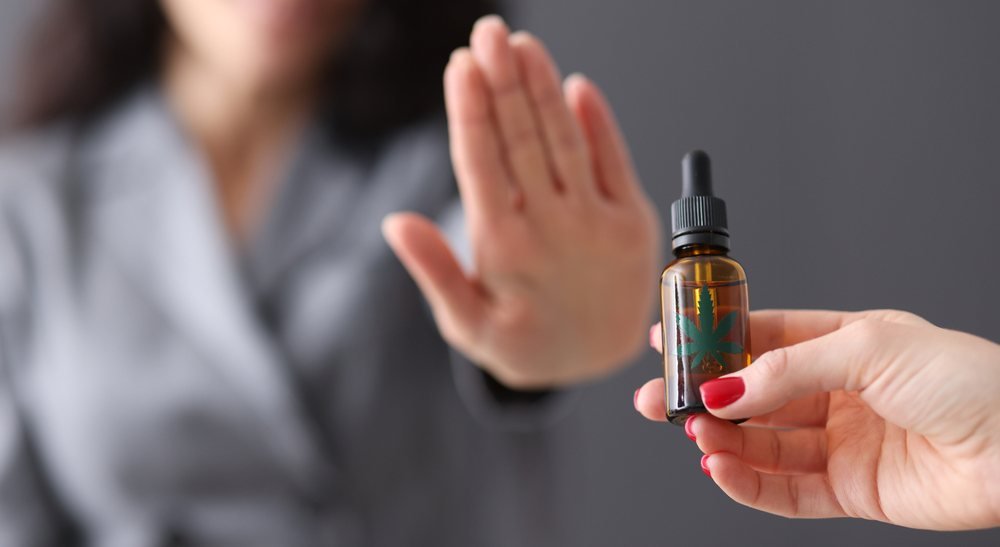
If you take CBD daily, you probably rely on it to help with sleep, stress, mood, or pain. But what happens if you suddenly stop? Many people worry they might experience “CBD withdrawal” or feel strange when they miss a dose — and the internet doesn’t always give a clear answer.
Here’s the truth: CBD doesn’t cause addiction, and it doesn’t create the kind of withdrawal symptoms associated with addictive substances. However, some people do notice temporary changes when they stop taking it, especially if they’ve been using CBD every day for a long time.
In this guide, we break down exactly what happens when you quit CBD — why some symptoms appear, how long they last, and how to feel better quickly. Whether you’re taking a break, switching products, or stopping altogether, this article gives you a simple explanation of what to expect.
What Is CBD Withdrawal?
CBD withdrawal refers to the temporary changes some people notice when they stop taking CBD after using it consistently. But scientifically, CBD does not cause true withdrawal, because it doesn’t create dependency, intoxication, or cravings the way addictive substances do.
And the evidence backs this up.
A 2020 randomized human trial published in Epilepsy & Behavior tested whether abruptly stopping CBD would cause withdrawal symptoms. Participants took very high pharmaceutical doses of CBD — 750 mg twice daily for several weeks — and then stopped suddenly.
What they found:
- There was no evidence of withdrawal syndrome, even at extremely high doses.
- Withdrawal scores stayed at 0–4 out of 190, essentially negligible.
- The study concluded there were no withdrawal symptoms after abrupt CBD discontinuation.
This is important because most people take far lower doses of hemp-derived CBD than the pharmaceutical amounts used in the study. So if high-dose CBD didn’t cause withdrawal, typical daily use is even less likely to.
So what do people actually experience when they stop CBD? Two things:
A return of the symptoms CBD was helping manage. If CBD helped with your sleep, stress, or discomfort, stopping it suddenly may cause those issues to return. That’s not withdrawal — that’s a rebound effect.
Your body is adjusting after losing a consistent cannabinoid supply. CBD interacts with your endocannabinoid system (ECS). When you stop taking it, your ECS may need a few days to rebalance.
So while the term “withdrawal” is often used, it’s not technically accurate. You’re not experiencing withdrawal from CBD — you’re experiencing the return of your previous self.
Why Some People Feel “CBD Withdrawal”
CBD doesn’t cause withdrawal, but some people still feel off when they stop taking it. These changes are regular and temporary and do not indicate dependence. They happen because your body is adjusting to the loss of a consistent source of cannabinoids.
Here are the main reasons people experience these sensations:
1. The return of symptoms that CBD was helping manage
This is the most common reason. If you used CBD for sleep, stress, anxiety, or general discomfort, stopping it may make those issues feel more noticeable again. It’s not withdrawal — it’s your baseline returning.
Example: If CBD helped you fall asleep faster, stopping abruptly may lead to a few nights of restlessness.
2. Your Endocannabinoid System rebalancing
CBD interacts with the endocannabinoid system (ECS), which helps regulate mood, stress, sleep, and inflammation.
When you stop CBD suddenly, the ECS may need a few days to adjust.
During this reset period, some people may feel:
Mild irritability
Heightened stress
Changes in sleep
Feeling “off” or less balanced
These effects fade as the ECS stabilizes.
3. Stopping high daily doses abruptly
People who take large amounts of CBD every day sometimes notice stronger rebound effects when they stop, even though it’s not withdrawal.
This is where the 2020 clinical trial becomes important: even at 750 mg twice daily, volunteers showed no withdrawal symptoms when they stopped.
But some still felt temporary changes, which is a standard physiological adjustment.
4. Lifestyle factors masked by CBD become noticeable again
CBD often softens the impact of:
daily stress
poor sleep habits
screen time
caffeine
irregular meals
chronic tension
When CBD is removed, these underlying issues may feel stronger.
5. Psychological dependence on the routine
This is not addiction — it’s a habit.
For many people, taking CBD becomes part of their nightly wind-down routine.
Losing that routine can create temporary discomfort or uncertainty.
6. Interaction changes with other substances
If you combine CBD with:
alcohol
caffeine
stimulants
certain medications
Stopping CBD can subtly change how your body handles these substances. This may create temporary shifts in mood or sleep.
In all cases, the symptoms aren’t caused by CBD withdrawal.
They’re caused by what CBD was helping you manage or how your ECS resets after CBD leaves the system.
What Happens When You Stop Taking CBD?
Stopping CBD doesn’t trigger withdrawal, but you may notice a few short-lived changes as your body returns to its natural rhythm. Many people find that their sleep shifts a little at first — maybe it takes longer to fall asleep, or they wake up more easily.
Others feel more stressed or tense during the day because CBD is no longer providing the steady sense of calm it once did. If you were using CBD for anxiety, mood support, or general discomfort, those original symptoms can feel slightly more noticeable again.
A few people describe feeling mentally “off,” less focused, or a bit out of balance for a day or two while their endocannabinoid system adjusts.
These changes are usually mild and temporary, and most people settle back into their baseline within a few days to a week.
Nothing here reflects withdrawal — it’s simply your body adjusting to the absence of CBD’s support.
How to Prevent CBD Withdrawal-Like Symptoms?
Because CBD doesn’t create dependence, you don’t need a strict protocol to stop it. Still, if you want the transition to feel smoother, a few simple habits can make a noticeable difference — especially if you use CBD every day.
The easiest way to prevent rebound effects is to reduce your CBD dose gradually rather than stopping all at once. Even a slight taper, such as lowering your dose every few days, gives your endocannabinoid system time to adjust without making you feel off.
For most people, this adjustment lasts up to a week to a month. Mild changes in sleep, stress, or mood typically settle within 7–10 days as the endocannabinoid system finds its natural rhythm again.
This is especially helpful for people who take higher daily amounts or rely on CBD for sleep or mood support.
Is It Safe to Use CBD Daily?
For most people, using CBD daily is safe. CBD doesn’t create dependency, doesn’t cause withdrawal, and doesn’t accumulate in the body in a harmful way. This is why many people take it every day for sleep, stress, mood support, or general wellness.
Daily use can actually make CBD more effective. Consistent dosing helps your endocannabinoid system stay balanced, which is why people often report better sleep, steadier moods, and more reliable relief when they take CBD regularly rather than occasionally.
The main thing to pay attention to is dose and product quality. Taking more CBD than your body needs may cause mild side effects, but these are easily managed by lowering the dose or switching to a cleaner product.
Final Thoughts
Stopping CBD doesn’t cause withdrawal, and it doesn’t mean your body has become dependent on it. Any temporary changes you feel—lighter sleep, more noticeable stress, or the return of old symptoms—are your system adjusting without the support CBD was providing.
These effects are mild, short-lived, and not harmful.
Most people feel completely normal again within a few days, and many don’t notice any changes at all. If you want the transition to be even smoother, reducing your dose gradually and keeping your routines consistent can make a big difference.
If you’re looking for a good place to shop for high-quality CBD products, check out our article on the top CBD companies.
Disclosure:
The information provided in this article is meant for general use only and may not always suit everyone’s individual needs. Your health and wellness are personal, so consult a medical professional for personalized advice before making decisions based on this content.
For more information, please read our Disclosure Policy.