

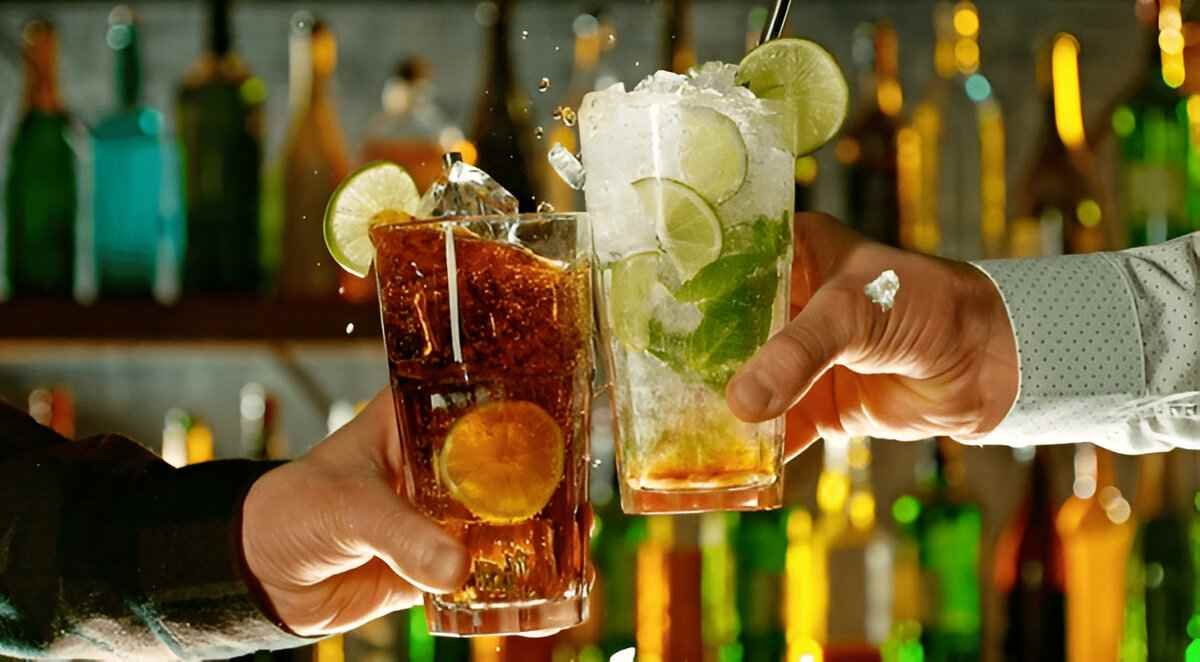
Yes. Delta-9 drinks can be an alcohol replacement. They perfectly mimic the social ritual of cracking open a cold beer, but they replace the toxic effects of liquor with a clean, plant-based buzz.
You get the physical relaxation and social euphoria of Delta-9 THC, but you wake up the next morning with zero hangovers, zero “after-effects.”
Here is exactly how the buzz of alcohol and Delta-9 drinks compare, why millions of adults are making the switch, and how to safely transition your Friday nights.
How THC Drink Feels Compared to Alcohol
Alcohol and Delta-9 THC can both help you unwind, but they interact with your body in fundamentally different ways.
The Alcohol Buzz (Lowered Inhibition):
Alcohol makes you drunk by turning off the parts of your brain responsible for judgment and inhibition. While this makes you feel highly social and “loose” at first, it can escalate to blackouts and a next-day hangover.
As you keep drinking, your coordination drops, your speech slurs, and your volume goes up. It pushes your energy outward, often leading to sloppy behavior and blackouts.
The Delta-9 Drink Buzz (Present Relaxation):
Delta-9 drinks interact with your body’s endocannabinoid system. Instead of shutting your brain down, it alters your sensory perception. A low-to-moderate dose (2 mg to 5 mg) provides a warm, physical relaxation and a giggly mood.
Unlike alcohol, THC keeps you present. You remain in control of your words and actions. You can hold conversations, enjoy a movie, and feel relaxed without the messy, out-of-control feeling of being drunk.
Why People Are Making the Switch to Delta-9 Drinks
The THC beverage industry isn’t just a trend; it is a massive cultural shift driven by adults who are tired of the negative effects of drinking. Here are the four main reasons people are swapping their evening beer for a THC seltzer:
1. The Hangover-Free Morning
When your body processes alcohol, it leaves behind byproducts that cause dehydration, headaches, and nausea—the classic hangover. Hemp-derived THC does not create that same harsh aftermath.
You can drink a Delta-9 seltzer, enjoy a good night’s rest, and wake up at 7:00 AM feeling refreshed and ready for your day.
2. The End of “Hangxiety.”
Alcohol can cause a heavy emotional rebound the next day. As it wears off, many people experience intense, crushing nervousness commonly referred to as “hangxiety.”
Because THC is much gentler on your system, users often report feeling completely normal the next day.
3. Zero Empty Calories
A couple of craft beers or sugary margaritas can easily add 500 to 800 empty calories to your night. Most premium Delta-9 seltzers (like Drink Delta or WYNK) contain zero sugar and zero calories, allowing you to catch a buzz without ruining your diet or dealing with alcohol bloat.
Check out the best Sugar-free Delta-9 Drinks of 2026.
4. The Social Ritual
Quitting drinking is hard because you lose the “ritual” of holding a drink after work or at a party. Delta-9 seltzers look exactly like premium sparkling waters or craft beers.
You can stand in a circle at a BBQ, sip your can, and blend in perfectly with your friends who are drinking alcohol.
Quick Comparison: Alcohol vs. Liquid THC
Feature | Delta-9 Drinks (Low/Mid Dose) | Alcohol (2-3 Drinks) |
| The Vibe | Calm, present, euphoric, giggly. | Loud, loose, lowered inhibitions. |
| Onset Time | 15 to 30 minutes (via Nano-emulsion). | 5 to 10 minutes. |
| The Morning After | Clear-headed, rested, no hangover. | Dehydrated, nauseous, anxious. |
| Caloric Impact | Often zero calories and zero sugar. | High in empty calories and carbs. |
| Sleep Quality | Deep, restful sleep. | Disrupts REM sleep, causes waking. |
How to Make the Switch (The Golden Rules)
If you are ready to swap your evening cocktail for a Delta-9 drink, you need to follow a few basic rules to ensure a smooth transition.
1. Match the Dose (Don’t Overdo It)
Do not jump straight into a 20 mg drink. Treat milligrams of THC like ABV (Alcohol by Volume).
2 mg to 5 mg THC: Equivalent to 1 or 2 light beers. Perfect for socializing.
10 mg THC: Equivalent to a couple of strong cocktails. You will be noticeably high.
20 mg+ THC: Equivalent to doing heavy shots. You will likely end up asleep on the couch.
2. NEVER Mix THC with Alcohol
If you are replacing alcohol, replace it completely. Do not use a THC seltzer as a chaser for a shot of tequila. Alcohol aggressively multiplies the absorption rate of THC.
Mixing the two (known as “crossfading”) is a guaranteed recipe for intense dizziness, spins, and severe nausea. Pick one for the night.
3. Sip, Don’t Chug
You can chug a beer; do not chug a THC drink. Because they taste like normal sodas, it is easy to drink them too fast. Sip your Delta-9 drink slowly over 15 to 30 minutes and let the buzz roll in gently.
Frequently Asked Questions
Can Delta-9 drinks help me sleep better than alcohol?
Yes, drastically. While a glass of wine might help you fall asleep, alcohol often disrupts your natural sleep rhythm, causing you to wake up feeling exhausted.
Many users find that an ideal dose of a THC beverage helps them naturally wind down and rest easily throughout the night, without the 3:00 AM wake-up call.
Will I act weird or out of control on a Delta-9 drink?
Not if you control your dose. A 5 mg THC drink will just make you feel relaxed, mellow, happy, and slightly more talkative. Unlike alcohol, you will not become angry, slur your words, or have a strong urge to send embarrassing text messages you regret the next day.
Can I drive after having a Delta-9 drink?
Absolutely not. You must treat a THC buzz with the exact same legal and physical respect as alcohol impairment. THC slows your reaction time and alters your depth perception.
If you consume a Delta-9 beverage, call an Uber or ask a sober friend to drop you off.
Final Thoughts
Switching from alcohol to Delta-9 drinks is a fantastic way to upgrade your weekend routine. You get to keep the fun, social aspect of your weekends while entirely eliminating toxic hangovers and empty calories.
Start with a low-dose, 5 mg seltzer, sip it slowly over ice, and discover why the Cali Sober lifestyle is taking over the beverage industry.
Ready to find the perfect alcohol replacement? Check out our expertly curated guide to the best Delta-9 drinks.
Disclosure:
The information provided in this article is for educational purposes only. We are not medical professionals. Cannabinoids affect everyone differently. Always consult a healthcare provider before using THC products, especially if you have an existing medical condition or take prescription medications.
For more information, please read our Disclosure Policy.